On June 23, 2026, the House overwhelmingly passed the 21st Century ROAD to Housing Act, sending it to President Trump for signature. According to the National Association of REALTORS®, this is the most significant piece of federal housing legislation in nearly two decades — and NAR spent 21 months advocating hard to get it across the finish line. In a Congress defined by gridlock, this bill passed with staggering bipartisan support: 89% of registered voters backed it, including 87% of Republicans, 91% of independents, and 92% of Democrats. That kind of unity doesn't happen by accident — it happens when the housing affordability crisis gets bad enough that everyone finally agrees something has to change.
Here in Tampa Bay, I've watched that crisis play out in real time. After 20+ years in this market — and eight years on the mortgage lending side before that — I can tell you firsthand that the combination of rising prices, tight inventory, and stubborn interest rates has made homeownership genuinely difficult for a lot of families. This bill matters.
What the 21st Century ROAD to Housing Act Actually Does
The legislation targets housing supply at its core — the root cause of affordability problems nationwide. While the full regulatory rollout will take time, the bill is designed to cut federal red tape that slows new home construction, incentivize local governments to allow more housing density, and expand access to affordable homeownership programs.
That last piece hits close to home for me. While working in real estate over the last five years, I've watched good buyers — hardworking Tampa families — get priced out or disqualified not because they couldn't afford a payment, but because there simply weren't enough homes to buy at a price that made sense. More supply changes that equation.
Key pillars of the legislation include:
What This Means for the Tampa Bay Market Specifically
Let me ground this in local reality. Right now, per Stellar MLS data, the Tampa Bay (Hillsborough, Pasco & Pinellas Counties) median single family home price sits around $438,833, with an average days on market of roughly 56 and about 3.9 months of inventory — still well below the 5–6 months that defines a balanced market. In high-demand corridors like Wesley Chapel (33543/33544), South Tampa (33629), and New Tampa, well-priced listings are still moving fast.
The affordability gap is real and measurable. A $438K home at today's rates requires a household income of roughly $90,000–$100,000 just to qualify conservatively — and that excludes a lot of young families, teachers, first responders, and service workers who built this community.
If this bill accelerates new construction permitting and pushes more inventory into submarkets like Brandon, Riverview, and Zephyrhills, we could realistically see inventory levels climb toward 3.5–4 months within 18–24 months. That won't crash prices — Tampa Bay's population growth is too strong for that — but it would take some pressure off buyers who have been competing against multiple offers on entry-level homes.
What Buyers and Sellers Should Do Right Now
Whether this bill becomes law tomorrow or takes two years to fully impact ground-level construction, the advice is the same: don't wait for a perfect market. Markets that wait for clarity tend to reward the people already in position.
For buyers, especially first-timers eyeing school zones like Plant High School (33609/33629) or A-rated districts in Hillsborough County:
For sellers, the current environment — 56-day DOM, limited competing inventory — still favors you. Pricing strategically and presenting the home well remains critical.

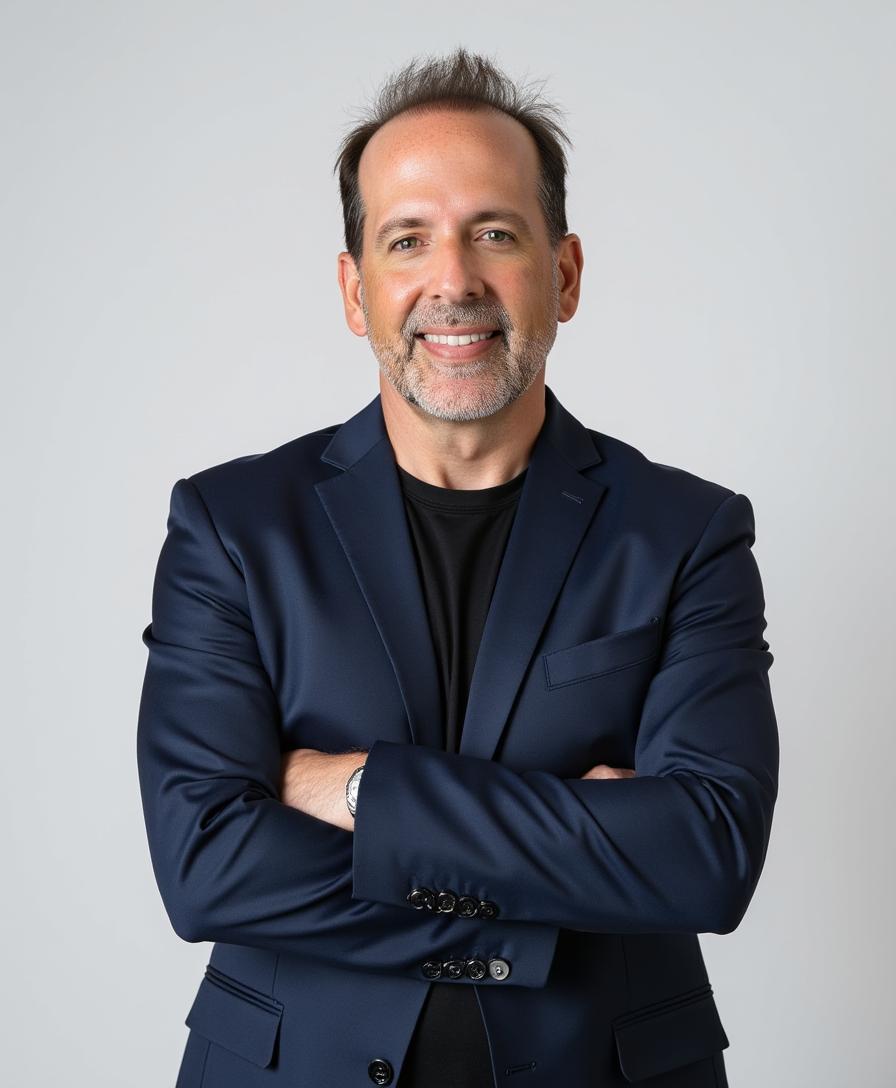
If you have questions about how this legislation affects your specific situation — buying in Wesley Chapel, selling in South Tampa, or just figuring out whether now is the right time — call me directly at (813) 548-5618. I'm Mike Valdes with Florida Property Finder at LPT Realty, and I've been helping Tampa Bay families navigate markets like this one for over two decades.